
The Hidden Threat to Children’s Rights on Climate Change
By Sallo Gobana

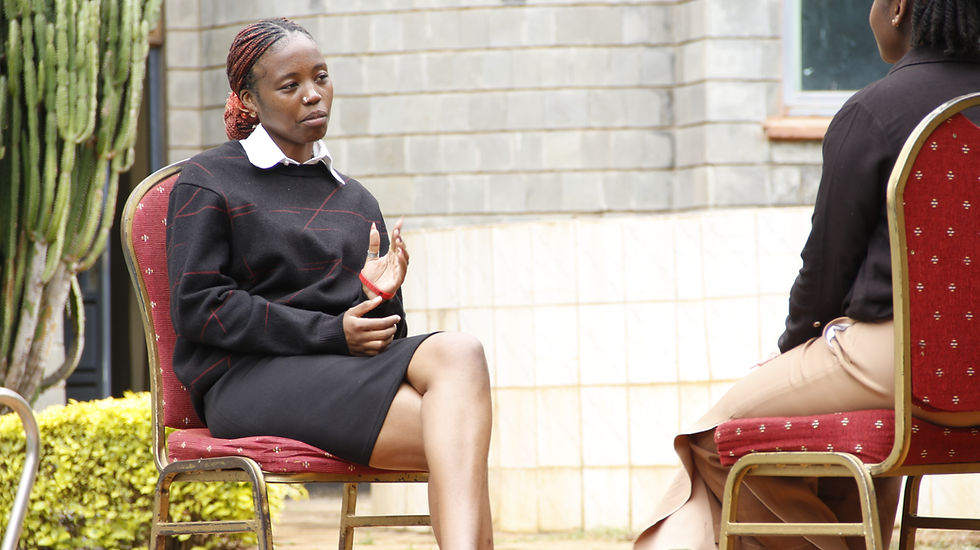
What happens to a child’s rights when a flood destroys their home, drought takes away their family’s livelihood or an environmental crisis keeps them out of school? For Chuka University law student Joy Kananu, these are not just environmental problems—they are issues of child justice.
Kananu, a finalist law student and president of the Moot Court Society, says climate change can directly affect children’s ability to enjoy basic rights, including education, healthcare, food and housing. She argues that child justice should therefore look beyond courtrooms and consider the conditions that determine whether children can live and grow safely.

According to Kananu, climate-related disasters can disrupt the lives of entire families. Flooding, for instance, can destroy homes and livelihoods, making it difficult for children to continue attending school. Children from marginalised and drought-prone communities may experience even longer disruptions to their education.
The effects can also create different challenges for girls. When families lose their sources of income, girls may struggle to access basic necessities such as sanitary products, while increased vulnerability can expose them to gender-based violence and other forms of exploitation.
Kananu says Kenya’s legal framework provides protection for children facing such challenges. Article 42 of the Constitution guarantees the right to a clean and healthy environment, while Article 53 places the best interests of the child at the centre of decisions affecting children. The Children’s Act of 2022 also reinforces these protections.
She believes children’s interests should be considered before development projects are approved, rather than waiting until environmental damage has already affected them. Environmental impact assessments and other development processes, she says, should consider how decisions will affect children and future generations.
Kananu also believes children should have a meaningful voice in conversations about climate change and development, with their participation guided by their age. She says organisations working with children can help ensure their concerns reach decision-makers.
The discussion comes ahead of Chuka University’s inaugural Child Justice Moot Court Competition, scheduled for October 8 and 9, 2026. The competition will be part of Child Justice Week, running from October 2 to 9, alongside a child justice walk, legal aid activities, panel discussions and webinars.
For Kananu, meaningful eco-justice means ensuring that every child, regardless of where they are born, can access education, healthcare and justice when their rights are violated.



Comments