
A Tiny Pet Is Now Saving Big Love
By Purity Wambui

It started as a game. Now it is saving relationships. A small digital pet that lives inside TikTok messages is keeping long-distance couples together. The pet is hungry. It needs care. It only lives if both partners show up every day. If one person forgets, the pet dies, and the streak ends. For many students in Chuka, that one-minute daily check has become the difference between staying together and drifting apart. It is not about the pet. It is about the promise behind the pet. I thought of you today. I still choose you today.
The idea did not start on TikTok. It started on Snapchat. Snapchat launched streaks in April 2015 as part of its Best Friend Update. The rule was simple. Send a photo or video to a friend for three days in a row, and a fire emoji appeared next to their name. Miss one day, and the fire disappeared. By 2018, most of the daily Snapchat users had an active streak. It was never really about the photo. It was about proof. Proof that someone was still there. Proof that a friendship was still alive. Students in Chuka remember that time well. They would text friends anything, even when they had nothing to say. The streak became a language of its own. A small flame that said, I remember you.
TikTok watched that language and copied it. In April 2024, users started noticing streaks in TikTok direct messages. By June 2024, TikTok confirmed it was testing the feature in limited markets. The rule was the same. Message each other for three days in a row, and a streak badge appears. Miss 24 hours, and it ends. TikTok also sent reminders to keep the streak alive. At first, people laughed. Why would TikTok need Snapchat’s idea? Then TikTok added something Snapchat never had. A Streak Pet.
After you build a streak, TikTok invites you to hatch and raise a pet together. You have to name it. You have to feed it. You have to complete small tasks to help it grow. You get one growth point for a message, and four points for a photo or video. If the streak ends, the pet is removed. Suddenly, the streak was no longer just a number. It had a face. It had a name. It had hunger. It needed both of you.
For students in Chuka, that pet changed everything. Today, many students in Chuka are in a long-distance relationship. Some are dating someone in another university. Some are dating someone in another town. Some are even dating someone in the same town, but their timetables never allow them to meet. And many of those relationships end in a breakup. The biggest reason is not distance. It is poor communication. Research shows poor communication causes about 40% of breakups in long-distance relationships. Jealousy and trust issues cause about 28%. Lack of physical closeness worries about 66% of couples. Time zone differences may not affect students in Chuka, but different class schedules do. One partner is in class. The other is in attachment. One is in the library. The other is working a side hustle to pay rent.

Why do couples in Chuka stop talking? It is not always because they stop loving each other. It is because life gets busy. Classes, work, assignments, part-time jobs, and tiredness get in the way. One partner waits for a long message. The other partner has no time to write it. Days pass. Silence grows. A small gap becomes a big gap. Arguments arise because of miscommunication, because texts have no tone and no face. A short reply feels cold. A late reply feels like rejection. A missed call feels like forgetting. In Chuka, where a student can be in Slaughter in the morning and in town by evening, still feeling far is very easy.
That is why the streak pet works. It does not ask for a perfect paragraph. It does not ask for eloquence. It asks for one minute. One video. One photo. One “I am here.”
The daily quest is simple. Open the chat. Send a video of your morning. Send a photo of your lunch. Send a voice note while you are walking to class. The pet eats. The streak grows. The love stays warm. It is proof of showing up, not proof of writing well. For a student who has two assignments due, a group project, and an exam tomorrow, that matters. You may not have one hour to talk. But you have one minute to show that you still care.
Take Kelsi and John, two students in Chuka who share their lives online. They live in two different hostels in Chuka; one in Slaughter and one in Mungoni. They are not in different countries. They are in the same small town. But their schedules make them feel far apart. John has early morning classes. Kelsi has evening classes and a part-time job in town. Some days they do not meet at all. On their phones, they do not just track the distance. They co-parent a virtual panda baby that needs feeding. They also check each other’s weather, battery, and sleep. It looks small. But for them, it is a daily habit that says, even when we are both busy, we still have little ways to stay connected. The panda is not real. The habit is real.
Then there is Brenda and Kevin. Kevin studies at Chuka University. Brenda studies in Meru, about one hour away. One hour sounds short, but for students with no money for fare every weekend, one hour can feel like another country. They used to fight a lot. Kevin would say Brenda took too long to reply. Brenda would say Kevin did not understand her busy timetable. Then they started a TikTok streak pet. They named it Milo. Every morning, Kevin sends a video of his walk to class. Every evening, Brenda sends a photo of her dinner in the hostel. Milo grows. Their relationship grows too. Brenda says, “Milo saved us. We no longer fight about who texted first. We just feed Milo. And when we feed Milo, we talk.” Kevin says, “It is not about the pet. It is about knowing she thought of me today, even if she was busy.” For them, the pet turned fighting into teamwork.
Experts say this matters because successful long-distance couples communicate daily. Over 70% of successful long-distance relationships have daily communication. And 88% use video calling as their main way to stay connected. The streak pet turns that communication into a shared job. It is not my job or your job. It is our pet. Our streak. Our responsibility. One pet lives on both screens as a shared hunger that needs care from both parties daily. That hunger is the relationship itself. If you both feed it, it grows. If you both ignore it, it fades.
The pet also solves a problem that many couples in Chuka do not talk about. The pressure to be interesting. In a normal chat, you feel you must have news. You must be funny. You must be romantic. With a streak pet, you do not need news. You can send a boring video of your room in Slaughter. You can send a photo of your tea in Mungoni. The pet makes the boring message feel important. It makes the ordinary feel like love.
So, what is the future of this program? Should we end it? Some students say yes. They say streaks create pressure. They say losing a streak can feel like losing a friendship. They say love should not need a game to survive. And they are right that a pet cannot fix trust issues, jealousy or a future with no plan to live together. Research shows that couples who never make a plan to close the distance are the ones most likely to break up. A pet cannot replace a plan. A pet cannot replace honesty. A pet cannot replace a visit.
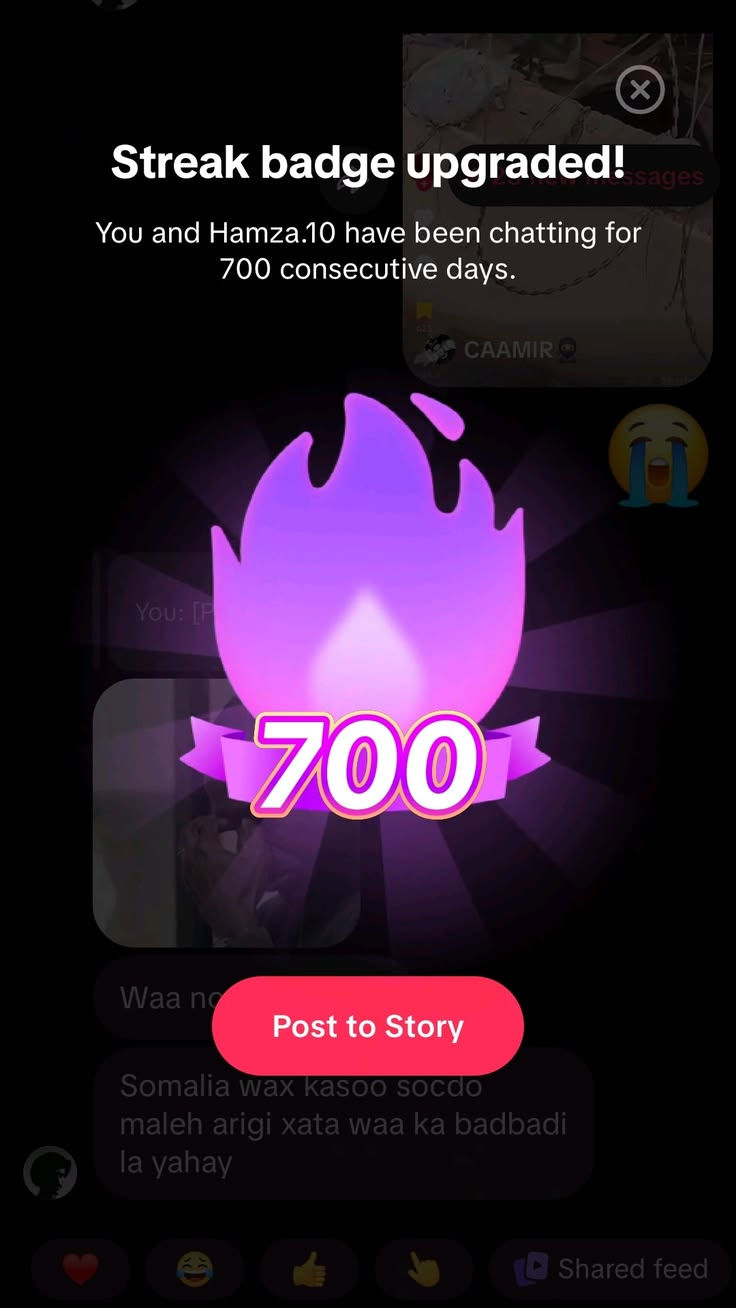
But for many students in Chuka, ending it would remove the one thing that works. The pet is not the love. The pet is the reminder of the love. It is a low-pressure way to say, I thought of you today, even when my day was full. It is a bridge between the big conversations and the small days.
The future is probably not to end streaks, but to make them healthier. Make them less about fear of losing. More about joy of showing up. Make them a tool, not a test. TikTok could add a pause button for exams or illness. It could add a gentle reminder instead of a scary warning. It could let couples keep the memories of a pet even if the streak ends, so that losing does not feel like total failure.
Snapchat started the fire. TikTok gave the fire a pet. Now that pet is living on two screens, in two hostels in Chuka, waiting to be fed. And every day, two students feed it. Not because they have to. But because they still want to.



Comments